
Okay, so check this out—I’ve been poking around Solana NFT trails for years. Wow! My first impression was: everything looks fast, but confusing. Medium-sized dashboards. Long lists of holders and transfers that tell stories if you squint and follow the breadcrumbs, though actually—sometimes the breadcrumb trail goes cold and you need to dig deeper.
Whoa! When an NFT transfer hits the ledger, there’s no middleman. Really? Yes. My instinct said that on-chain records would make things simpler, but then I ran into token metadata stored off-chain and things got muddled. Hmm… something felt off about relying only on marketplaces for provenance. I’m biased, but I prefer seeing the raw on-chain events myself. (oh, and by the way…) That’s where a solid explorer helps a lot.
Here’s the thing. solscan is a go-to for many of us on Solana. It lets you search by mint address, wallet, or transaction signature. Short searches are fast. Longer investigations require patience and methodical checks, because not all “NFT” labels equal the same thing — some are custom mint setups or even test mints masquerading as main collection items. Initially I thought a single click would give the full picture, but then I realized the real picture needs a few clicks and a little skepticism.
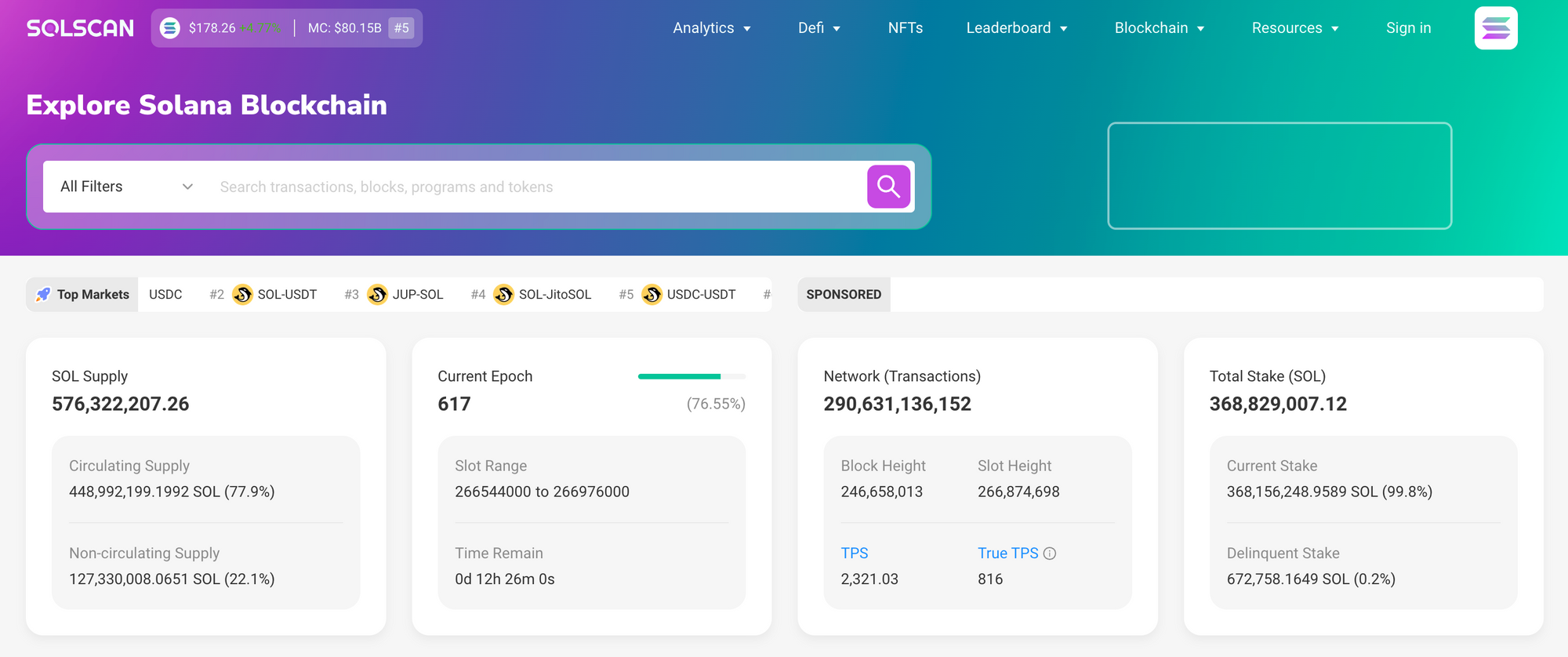
How I use an NFT tracker on solscan, step-by-step
Start with the mint address. Seriously? Yes — paste it into the search bar and hit enter. Short step. Then look at the token page. The token page shows transfer history and current owner. Next, check the metadata link and IPFS hashes if present. Medium effort. If metadata points to an IPFS CID, click or copy that into an IPFS gateway to verify the art and attributes, though actually sometimes the gateway caching makes it slow and you need to try a different gateway.
Wow! After that, inspect the transfers tab closely. It lists signatures and timestamps. On one hand you see clean sales. On the other, you might spot airdrops or mint-to-mint swaps that explain odd ownership patterns. My process: scan for big jumps — wallets that received huge batches, then moved them in one go. That often means market actors or custodial wallets. I’m not 100% sure who they are, but that pattern repeats enough to be a useful heuristic.
Check holder distribution. It’s telling. If five wallets own 90% of a collection, the market can be brittle. If many wallets each hold one or two tokens, that’s typically healthier. There’s no single right answer; context matters — some collections intentionally batch minting. Also examine token creators and creator fees recorded on-chain. Those fields tell you what’s enforceable by protocol and what relies on marketplaces to honor.
Whoa! Look up transaction signatures. They show the exact sequence: approvals, transfers, and program calls. Those signatures are the receipts. You can open them and follow the stack of inner instructions if you want to be thorough. Medium-level forensic work. For complex transfers, inner instruction logs reveal which programs were involved — a clue if something weird happened like a cross-program invocation that changed ownership indirectly.
Practical tips and human tricks
Trust but verify. Quick glance checks can mislead. I’m telling you this from seeing a few false positives. Short tip: use multiple indicators. Watch for these signs: rapid transfers between newly-created accounts, repeated interaction with a single program that isn’t the usual marketplace program, metadata hosted on suspicious or transient URLs. If you see a lot of activity through one multi-sig, that wallet is probably running a treasury.
When I’m investigating a possible rug or wash trade, I map the wallet graph in my head. Really basic graphing: who sent to whom, which wallets keep sending back and forth, and whether money exited to an exchange address. Sometimes the flows are obvious. Sometimes they’re not. My workflow includes copying addresses into the search box, bookmarking interesting signatures, and exporting CSVs when I want to do number-crunching off-platform.
Oh — and watch for duplicate metadata. Two different mint addresses can reference the same media file. That could be legitimate (editions) or a lazy copier. Also, check the creator array on the token data. If the original creators aren’t listed, something might have been re-minted or wrapped elsewhere. This part bugs me because it’s not always malicious, but it can be misleading for collectors.
Limitations and things that still trip me up
First: off-chain metadata. Galleries and previews depend on whatever URL or IPFS a creator used. If that resource dies, the on-chain record still exists, but the media might vanish from marketplaces. I’m not thrilled about that. Second: program complexity. Some nifty on-chain tricks can obscure provenance, like compressed NFTs or delegated mint setups. They’re cool, but they make tracking harder. Third: exchanges and custodial moves obfuscate real holders — those are black boxes until withdrawal occurs.
I’ll be honest — some of this work is detective work, not science. My instinct and pattern recognition matter. Initially I thought automation could do everything, but actually manual inspection catches nuance that algorithms miss. That said, automation helps when you’re triaging hundreds of mints and need quick red flags. Balance the two.
Check out solscan when you want a practical, user-friendly way to trace these things. It surfaces the core artifacts: transfers, signatures, holders, and metadata. For many daily tasks that’s enough. For deep forensics, pair it with wallet cluster analysis tools, on-chain indexing queries, or community sleuths. I’m biased toward hands-on verification, but hey — use what works for you.
FAQ: Quick answers from my experience
How do I verify an NFT’s authenticity?
Start with the mint address on solscan. Check creator addresses, metadata IPFS/CID, and the initial mint transaction. If the creator listed matches the collection’s known creator and the mint trace is clean, that’s a good sign.
Can I track wash trading or price manipulation?
Look for rapid back-and-forth transfers among a small set of wallets and sales that have no time gaps between buy and sell. Also check for circular flows where funds return to origin wallets. These patterns aren’t definitive proof, but they’re strong red flags.
What if metadata is missing or broken?
Try IPFS gateways, cached marketplace snapshots, or community mirrors. If media is gone but on-chain records remain, treat valuation cautiously — provenance is intact, but display and collectible value may be impaired.